For some, it means being caught up in an NGO-mindset web. The kind of web that has you writing applications rather than business plans, filing endless reports, and keeps you small, as you compete with the zillion other NGOs that are also pursuing noble causes. Entrepreneurs themselves are, however, not to blame. The sector has historically been addressed from a charity perspective and SMEs compete with free product distributions. How to fight against the temptation of pursuing models that will only work with grants?
Even when not being caught up in that web, FHH entrepreneurs in the Global South do not exactly tend to arrive with an MBA in hand. Most founders didn’t go looking for a business opportunity, but are instead driven by having experienced first-hand the consequences of the stigma, exclusion, and health issues that stem from the lack of access to period products. This, in turn, has inspired them to create their FHH business in the first place. But a lack of business-savvy people in the core team means missed opportunities.
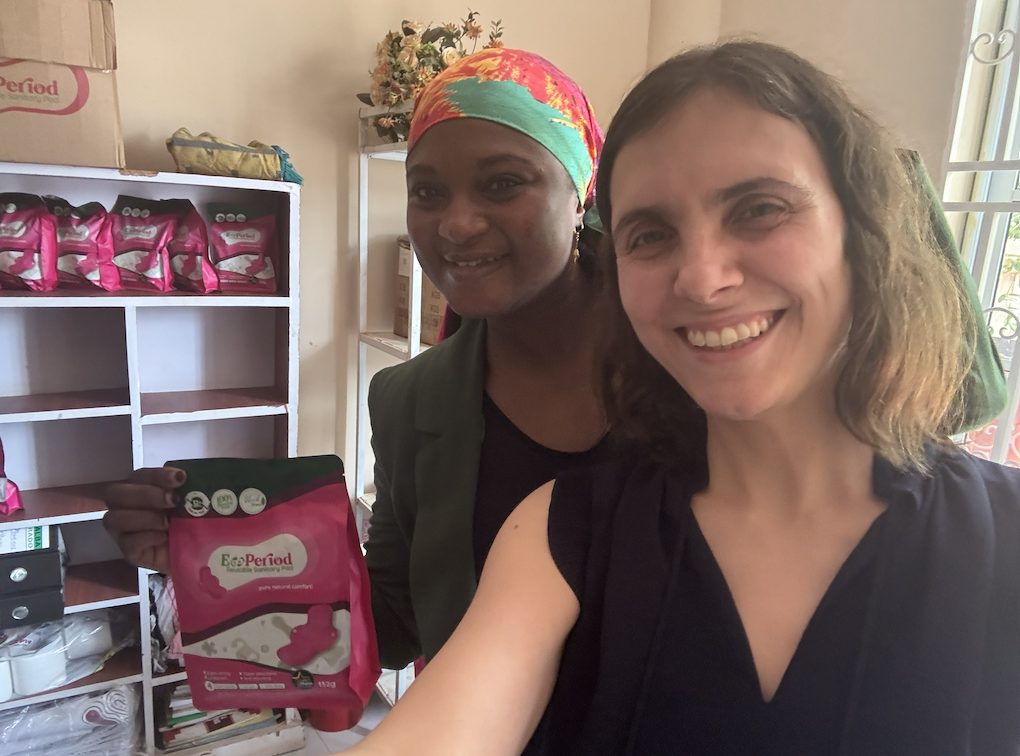
I am thinking of an FHH enterprise from Ghana I recently visited, which we have accelerated and I am personally very much fond of. They manufacture a product with great potential: biodegradable disposable pads made from banana stems. High quality. Circular. Affordable. Gives inclusive employment. Ticks so many boxes! Yet they had decided to make a bold move: with the aim of automating the production to fulfill the increasing demand, they had imported an expensive machine from China and moved to a new warehouse. When the machine did not work as planned, they had no plan B: the new warehouse was not set up for manual production anymore. It took them over 6 months to fix it, and in the meantime, they did not produce a single pad. None. Zero.
What failed? They have a great product; they have demand. They have a professional and committed team. It was the absence of contingency planning, operational agility, and risk management, or what we often refer to as a “business mindset”: the urgency and problem-solving instinct to figure out a solution to go back to production immediately. Their financials will recover, but the path to scale will be less forgiving should this happen again.
The good news is that the ecosystem is finally waking up: investors are circling, support programmes are multiplying, and FHH is no longer a niche nobody wants to fund. But capital without business-ready entrepreneurs is just money looking for a door that isn't there yet. Building that pipeline of founders who combine mission with market instinct, is the real work. And it is urgent. After all, for the half billion menstruators facing period poverty, May 28th represents little: for them, Menstrual Hygiene Day comes every single month.